


If you live anywhere in the DMV outside of Montgomery County, you've probably noticed the pride residents of Montgomery County feel for the region where they live. But it only takes a trip through its towns, a conversation with its residents, or a bit more knowledge of its history to understand why.
Montgomery not only consistently ranks among the most prosperous and developed counties in the United States, but it has also been a pioneer in public policy, education, urban planning, and cultural diversity. The county now has more than a million residents and is part of one of the most economically influential regions in the country. In addition, some of its communities, such as Gaithersburg, Germantown, Silver Spring, and Rockville, have been recognized among the most diverse in the United States.
Diversity is precisely one of the traits that most defines Montgomery County. More than 20% of its population is Hispanic or Latino, while dozens of languages are heard every day in schools, government offices, restaurants, metro stations, and small local businesses.
For outlets like El Tiempo Latino, that Latino presence is part of the stories that get covered and published. Spanish is part of the county's daily life, and numerous local agencies constantly translate information and services for immigrant communities that consider Montgomery their home.
A center to connect with the community
From those who have lived their whole lives in the county to its newest residents and visitors, everyone will be able to learn more about Montgomery County thanks to the new History Center.
Perhaps that's why the project currently underway at Montgomery History feels so symbolic; the organization has spent decades collecting, preserving, and sharing the county's history. I recently had the opportunity to visit the building that will become, in 2026, the new Montgomery History Center.
A home for the county's history
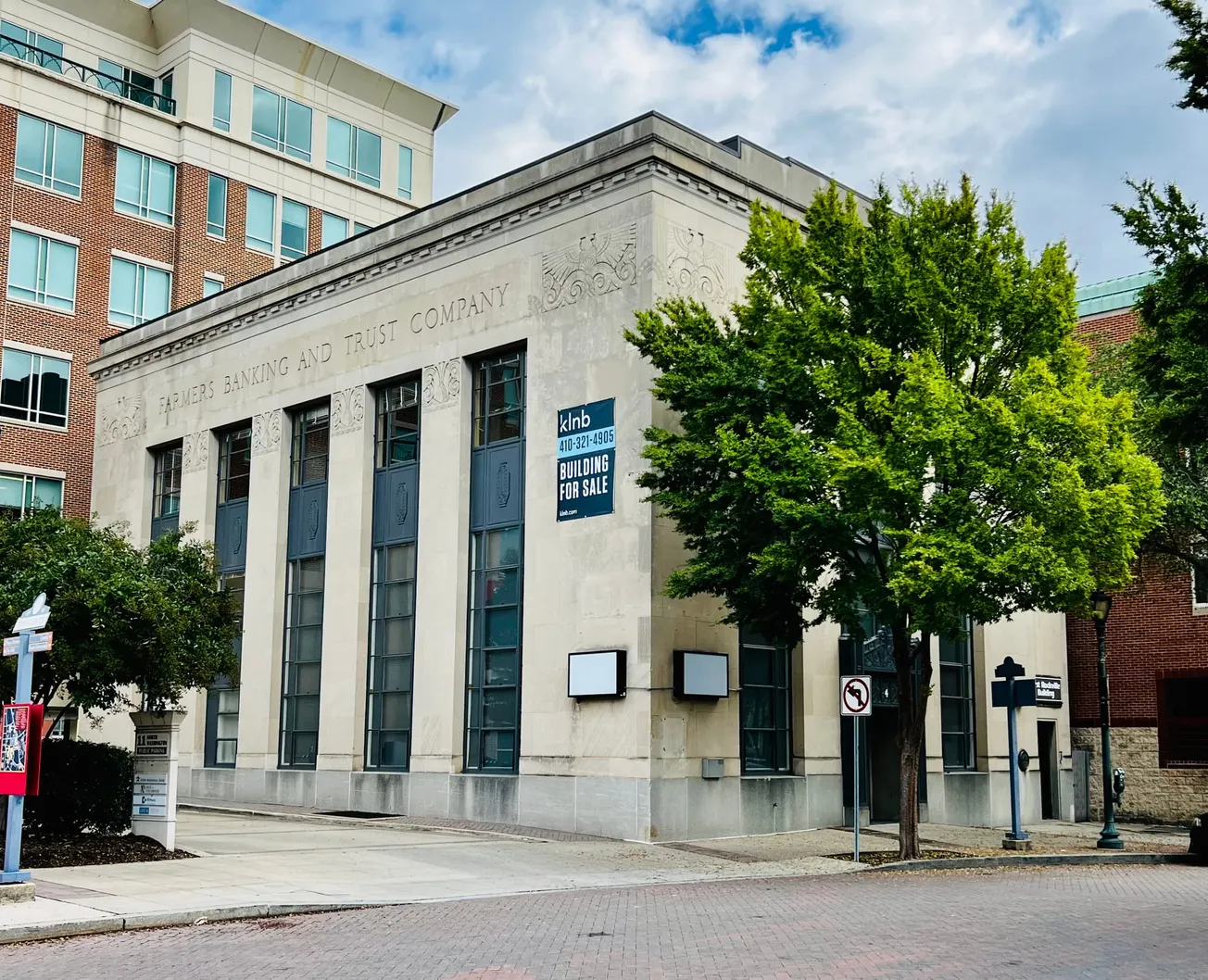
Located in the heart of downtown Rockville, just steps from the metro station, the building immediately conveys a sense of solidity and permanence. That's no accident: for decades it operated as a bank headquarters. Its Art Deco architecture, its vaults, and its old safe-deposit boxes still evoke the era when the building represented financial stability and institutional trust.
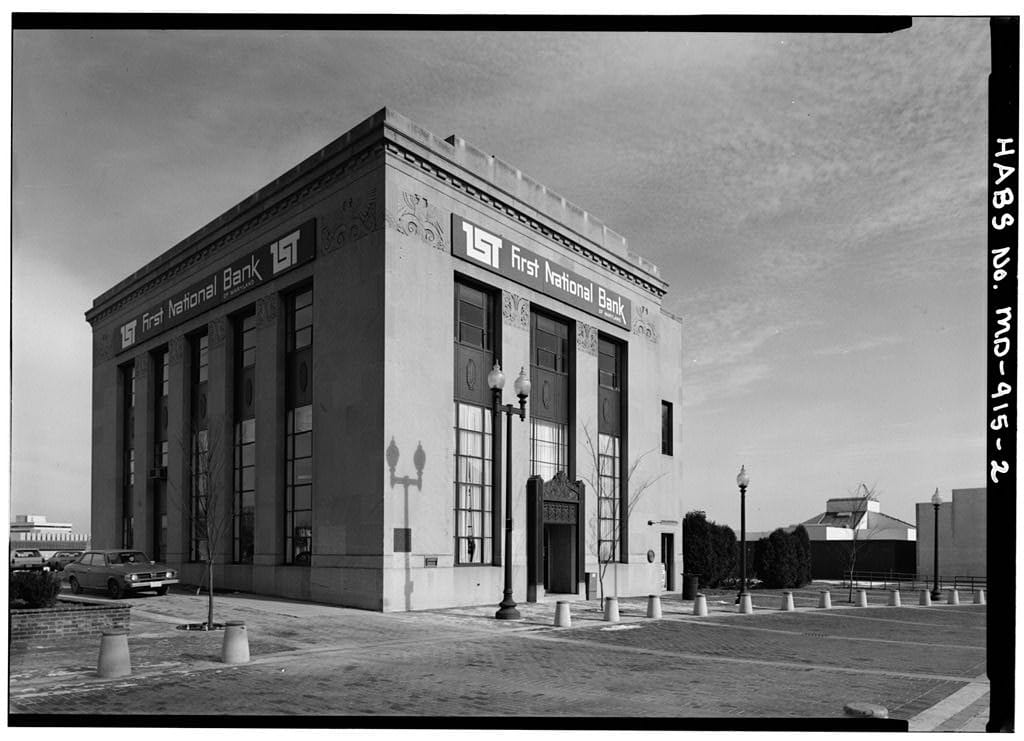
Now, that same structure is being transformed to serve another mission: protecting the collective memory of Montgomery County.
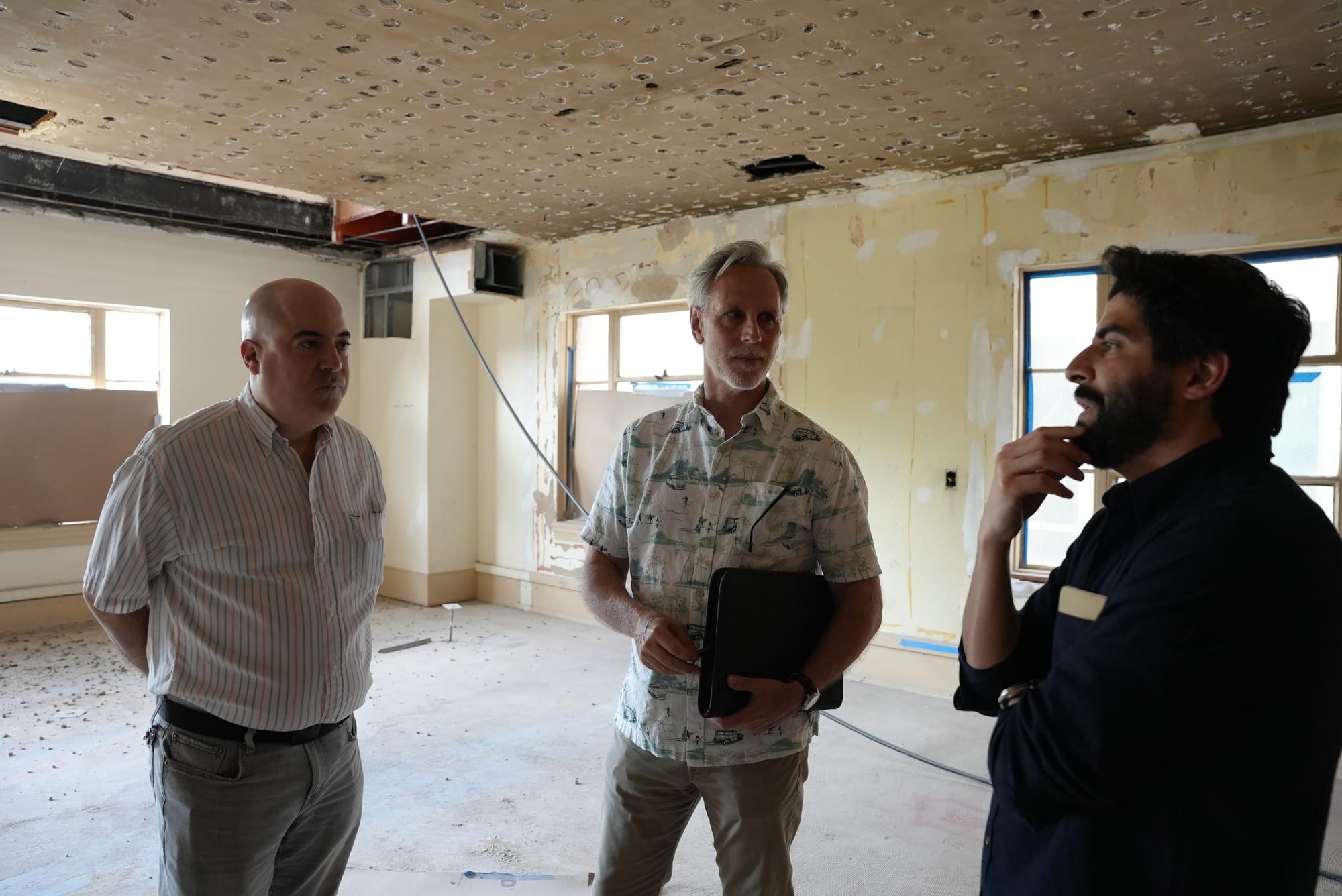
During the visit, personally guided by Matt Logan, executive director of Montgomery History, and Brenna Ryan, the organization's director of institutional development, I got to see how the space will be laid out once it officially opens.
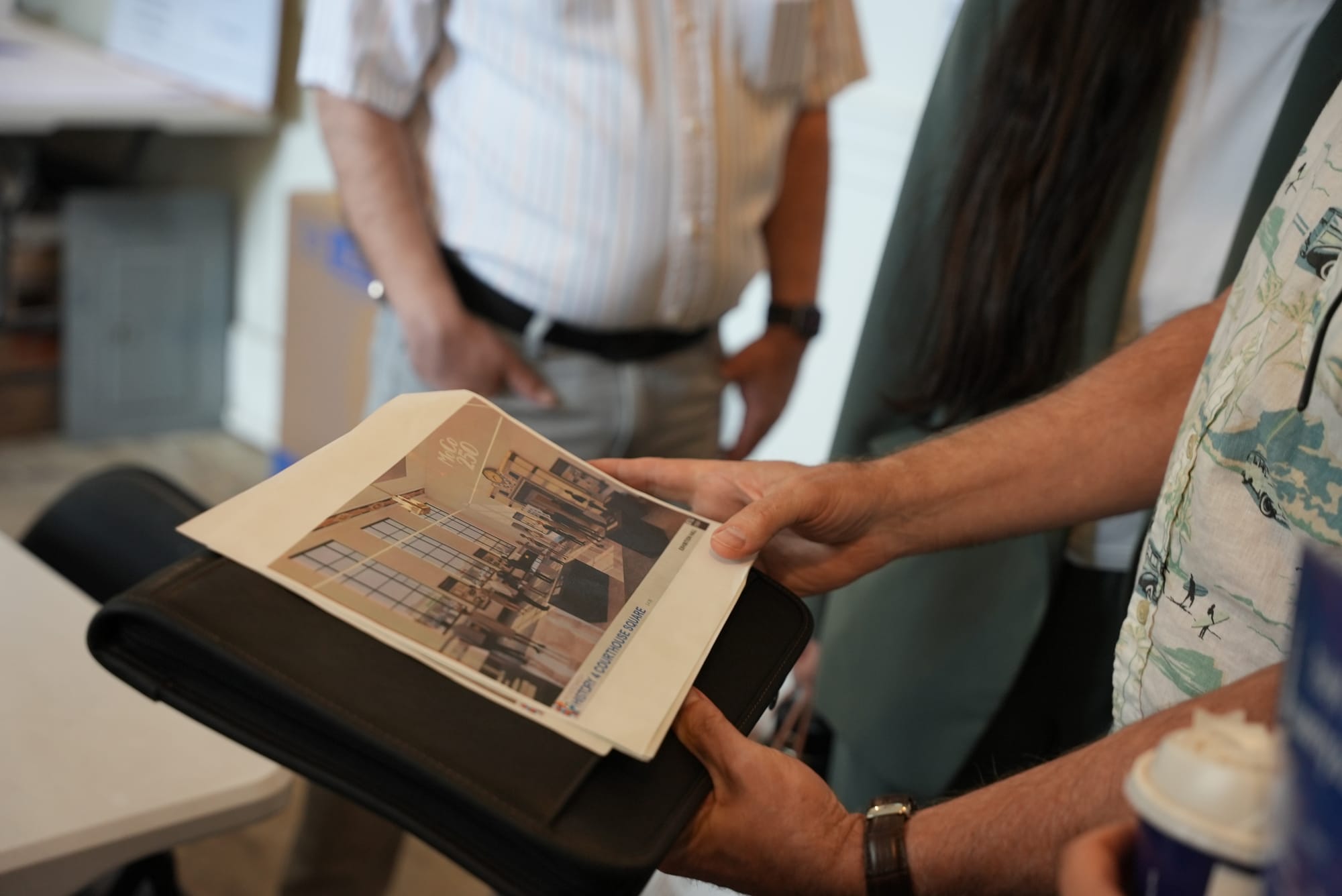
The future center will feature exhibition areas, community spaces, historical archives, oral history recording studios, bibliographic collections, and zones specially designed to preserve thousands of historical artifacts. Still, the emphasis will be on making sure every community feels welcome and knows that their stories are part of the county's history.
And Montgomery History holds thousands of objects that make history tangible: historical textiles, furniture from other eras, clothing worn more than a century ago, old magazines and publications, photographs, maps, and documents. Many of these items will now be able to reach more people thanks to the new center. What's remarkable is that it's often the everyday objects in the collection that help explain how Montgomery County evolved into what it is today.
The organization also manages a collection of approximately 10,000 historical artifacts, which will be stored and preserved in additional spaces near the new center.
The opening of the Montgomery History Center is coming soon in 2026, so the county can celebrate its 250th anniversary.
"It's exciting to see our vision for the History Center start to become a reality. Although there is still a lot of work to do, we are eager to open our doors this year, just in time for the county's 250th anniversary. We want to create a space for everyone who considers Montgomery County their home. Very soon, the History Center will be a source of pride and inspiration for the community", said Matt Logan, executive director of Montgomery History.
And with that historic anniversary in mind, Montgomery History recently announced a major $1 million donation from Knight Kiplinger, a well-known publishing businessman and member of a family with deep historical ties to the region.
"Great places like Montgomery County deserve great spaces to honor their history", Knight Kiplinger said in announcing the contribution.
The project is expected to cost approximately $8 million and also has financial support from the state, the county, and various public and private grants.
But perhaps the most interesting part of all this isn't just the new building, but the historical moment in which it's emerging.
At a time when intense debates continue in different parts of the country over how to tell the American story, what to preserve, what to remove, and what to reinterpret, Montgomery County seems to be betting on exactly the opposite: documenting everything, preserving everything, and confronting even the uncomfortable parts of its past.
"Montgomery County is open to collecting and showing all of the history and all of the truth", Matt Logan said, putting it bluntly when presenting the project.
And perhaps that's exactly where this new center's importance lies.
Because history doesn't only live in school textbooks or street names. It also lives in the voices of immigrant communities, in local newspaper archives, in family photographs kept for generations, and in seemingly simple objects that end up telling us who we were and who we are.
Montgomery County seems to understand that perfectly, and now it wants to make sure future generations understand it too.


